How to Choose a Roof Company Near Me
When you search for a roof company near me, start with local roofers who have a track record of good reviews. Then verify their insurance, any required licenses, and installer credentials. Before signing, request an inspection and a written estimate that explains the proposed work, materials, cleanup, and warranty coverage. Ask whether a repair could solve the problem or whether replacement is needed.
I’m James Spillman, vice president at South Bend Roofing Siding & Window Co., which has served the area since 1914. My work with residential and commercial roofing across Indiana and Michigan has taught me that finding a roof company near me is only the first step; asking clear questions is what helps you hire with confidence.
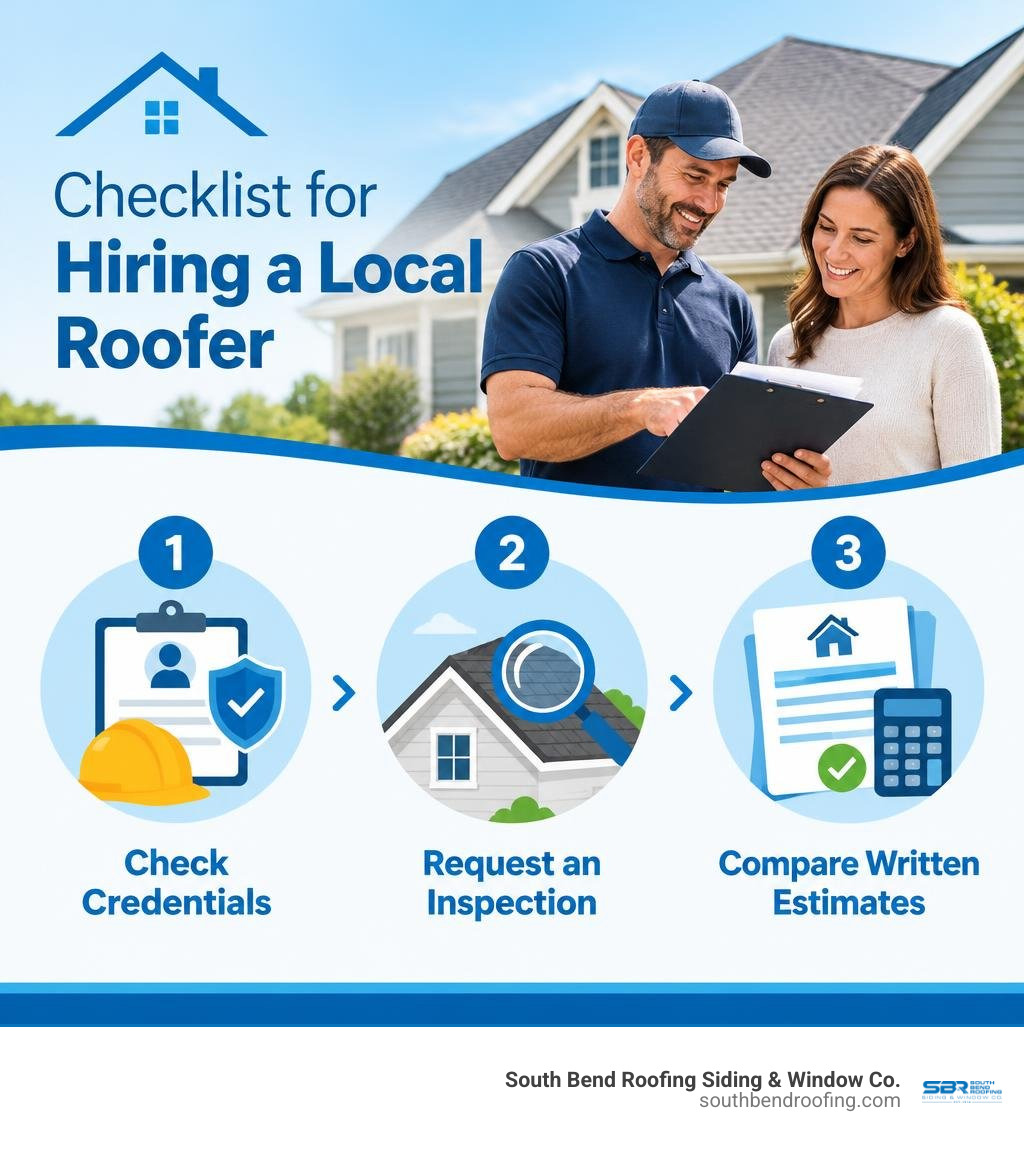
How to Evaluate Credentials and Find the Best Roof Company Near Me
Finding a dependable contractor starts with looking past promotional claims and examining verifiable professional standards. A new roof represents a significant upgrade to your home, and research shows that property owners who install a new roof can recover as much as 107% of the project's value at resale. Securing that return requires choosing a partner with deep roots in your community who adheres to established building codes and professional practices.
When narrowing down your options, focus on established businesses that maintain physical offices and transparent customer histories. Reviewing contractor vetting standards on Thumbtack and independent rating platforms gives you a clear window into how consistently a team resolves challenges, respects client property, and stands behind its finished work over time.
How to Verify Licensing and Insurance for a Roof Company Near Me
Before allowing any crew onto your property, confirm that the contractor holds active, adequate insurance coverage and complies with all state and municipal requirements. Hiring an uninsured or underinsured contractor exposes you to severe financial liability if an accident occurs or property is damaged.
To verify a contractor properly, ask for documentation covering these essential areas:
- General Liability Insurance: Protects your home, landscaping, and personal property from accidental damage during construction.
- Workers' Compensation Insurance: Covers medical expenses and lost wages if an installer is injured on your property, shielding you from personal legal claims.
- State and Local Licensing: Confirms the contractor is registered to pull permits and perform structural exterior work in your specific municipality.
- Permit Acquisition: Reputable contractors pull all required local building permits before starting work, ensuring local code compliance.
Ask prospective contractors to provide a current Certificate of Insurance (COI) sent directly from their insurance agency. Vetting roofing contractors in your area through these steps ensures you are partnering with legitimate professionals.
What Manufacturer Certifications and Warranties Should You Expect?
Manufacturer credentials demonstrate that a contractor's crews have undergone rigorous factory training and follow strict installation guidelines. Major manufacturers partner with qualified installers to ensure their roofing systems perform reliably under extreme weather conditions.
Top-tier credentials unlock superior protection. For example, our certified CertainTeed asphalt shingle installations ensure every accessory, underlayment, and ventilation component works together as a cohesive system. When discussing project protection, make sure your contractor explains:
- Manufacturer Warranty Coverage: Protects against material defects and premature shingle failure.
- Workmanship Warranty: Covers the labor and installation craftsmanship provided directly by the roofing company.
- Written Coverage Details: Ensure all warranty terms are clearly laid out in your written agreement so you understand what protections apply to your investment.
Critical Questions Regarding Project Scope, Materials, and Deck Inspections
A successful roof replacement requires looking beyond the surface shingles to address the entire structural system. A thorough assessment must always include an evaluation of the attic space and the underlying wood decking.
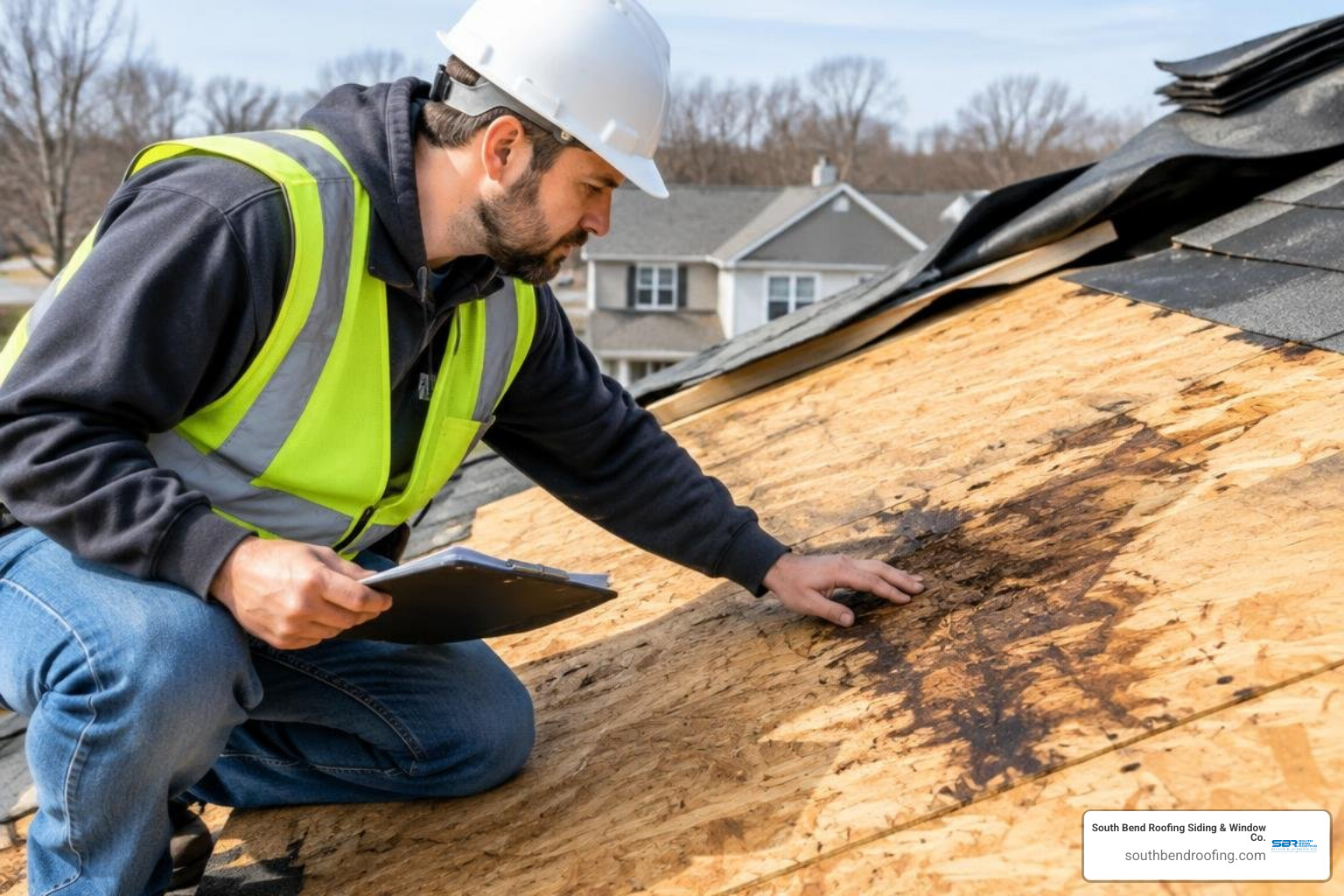
During a professional inspection, our team checks the attic for hidden moisture buildup, inadequate airflow, and daylight penetration. Poor attic ventilation traps heat and humidity, which can warp structural decking and shorten the life of your roof. When exploring comprehensive residential roofing services, insist on an inspection that evaluates these underlying systems before any contract is drafted.
How Do Different Roofing Materials Compare for Your Home?
Selecting the right material depends on your home's architectural slope, your aesthetic preferences, and local weather patterns. Midwest properties endure freezing winters, heavy snow loads, spring storms, and humid summers, making durable material selection essential.
| Roofing Material | Primary Benefits | Best Applications | Maintenance Considerations |
|---|---|---|---|
| Architectural Shingles | Multi-layered dimensional look, excellent wind resistance, versatile styling. | Steep-slope residential homes and traditional rooflines. | Periodic inspections for granule loss and flashing seal integrity. |
| Standing Seam Metal | Concealed fasteners, superior shedding of snow and ice, exceptional longevity. | Residential accents, porches, or complete high-durability residential roofs. | Minimal upkeep; check transition flashings and perimeter trims periodically. |
| Low-Slope Membranes (TPO, PVC, EPDM) | Watertight flat-surface protection, chemical resistance, energy-reflective options. | Commercial buildings, residential flat roofs, additions, and low-pitch sections. | Regular routine checks of drains, scuppers, and perimeter seams. |
For residential properties, architectural shingles and standing seam metal provide outstanding defense against harsh seasonal elements. For flat or low-pitch roofs, commercial-grade single-ply membranes such as Duro-Last PVC, TPO, and EPDM deliver seamless, watertight performance.
What Is the Full Tear-Off and Structural Decking Inspection Process?
While some installers suggest nailing new shingles over old ones to save time, this approach can trap trapped moisture and prevent inspectors from finding hidden rot. Removing the old roof down to the bare wood decking is the standard of quality for lasting performance.
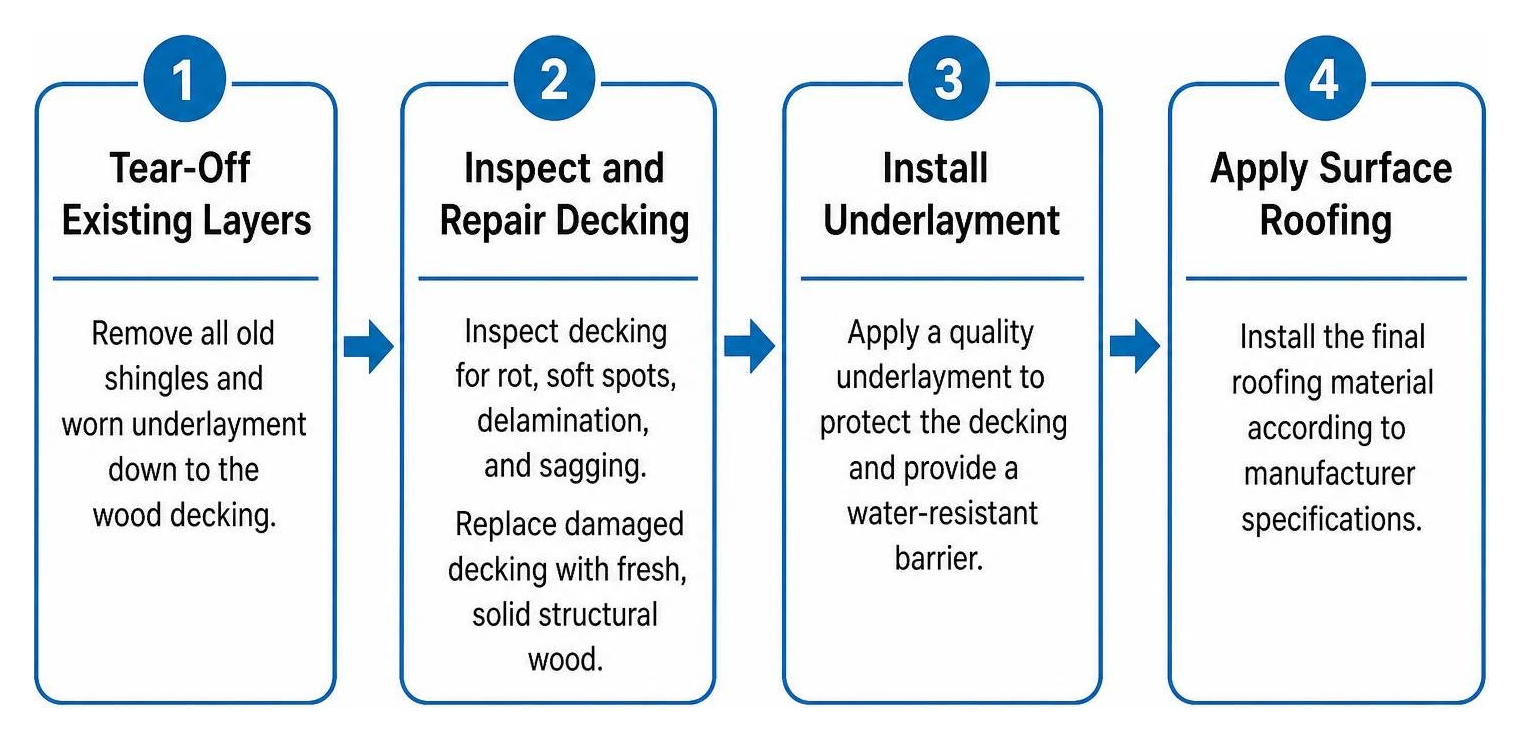
A complete tear-off process follows these critical stages:
- Complete Removal: All old layers of shingles and worn underlayment are removed down to the wooden structural deck.
- Decking Inspection: Crews inspect every sheet of plywood or wood plank for rot, soft spots, delamination, and sagging.
- Deck Repair: Damaged decking is cut out and replaced with fresh, solid structural wood to create a sound nailing foundation.
- Underlayment and Ice Barrier: High-performance moisture barriers and synthetic underlayments are installed along eaves, valleys, and vulnerable roof planes.
- System Installation: New shingles, standing seam metal panels, or low-slope membranes are secured according to strict manufacturer specifications.
Determining Project Scope: Repair Versus Full Roof Replacement
Homeowners often worry that contacting a roofer will automatically lead to a costly recommendation for a full replacement. However, an honest and reputable contractor evaluates whether targeted repairs can safely restore your roof's integrity.
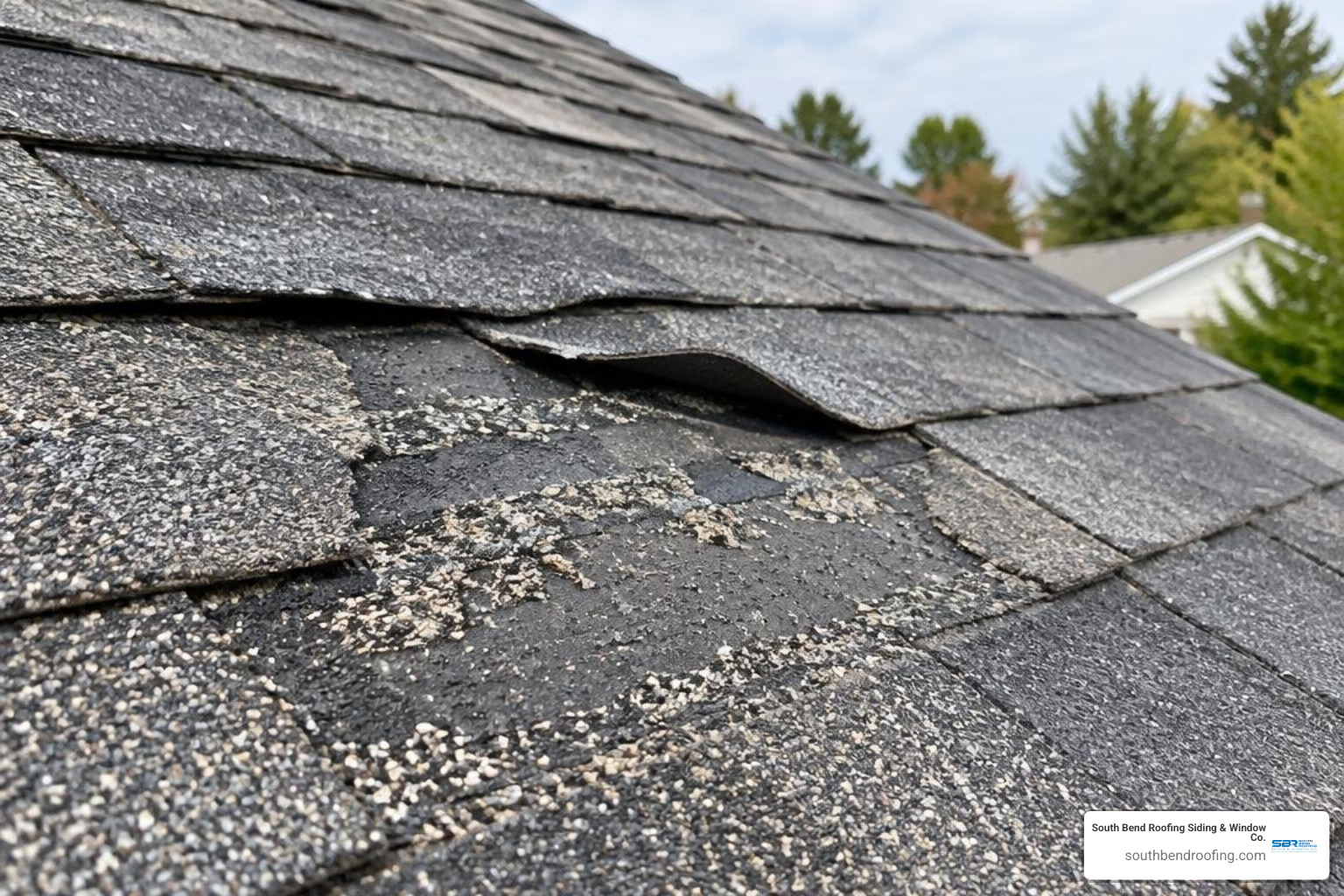
Our approach is centered on honest recommendations. If your roof's underlying structure is sound and the issues are confined to localized areas, a repair is often the practical, cost-effective choice.
Should I Hire a Roof Company Near Me for Repairs or Full Replacement?
Deciding between repair and replacement depends on the age of your roof, the extent of the damage, and the overall condition of the materials.
Consider targeted roof repair when you observe:
- A few shingles blown off or damaged during an isolated storm.
- Minor flashing leaks around a chimney or plumbing vent pipe.
- Isolated interior water spots caused by a localized puncture or fastener issue.
- A roofing system that is relatively young and otherwise structurally sound.
Consider a full roof replacement when:
- The roofing materials are approaching the end of their design life.
- Shingles are curling, cupping, cracking, or losing significant granule coverage across entire roof planes.
- Structural decking feels soft or shows widespread moisture damage.
- The roof has multiple chronic leaks across different rooms that recurring repairs have failed to resolve.
How to Assess Estimates, Written Quotes, and Crew Supervision
Never accept a verbal quote or a vague, single-line estimate. A professional roofing proposal should detail the scope of work clearly so there are no surprises during or after the installation.
When reviewing written proposals, look for clear line items detailing:
- The exact manufacturer and brand of shingles or membrane materials being used.
- Specified underlayment types, leak barriers, and starter strip shingles.
- Ventilation upgrades, ridge vent installations, and intake airflow assessments.
- Decking replacement protocols, including per-sheet replacement policies.
- Site preparation, perimeter protection for landscaping, and daily magnetic sweeps for stray nails.
- Waste removal and complete disposal logistics.
Ask who will be on site managing daily operations. A dedicated on-site supervisor ensures that safety protocols are strictly followed, manufacturer specifications are met, and your property remains clean and secure throughout the project.
Frequently Asked Questions About Hiring Local Roofers
How often should I get my roof inspected?
We recommend scheduling a professional roof inspection at least once every year, as well as following major severe weather events. Regular inspections allow trained professionals to spot lifted flashing, loose fasteners, and minor seal failures before they develop into expensive structural leaks.
What warning signs indicate I need a new roof?
Key warning signs include shingles that are cupping or curling at the edges, heavy granule loss across shingles, dark water stains on interior ceilings, exposed or rusted fasteners, widespread moss growth that holds moisture, and noticeable sagging along the roofline.
How are roof repair and replacement cost factors determined?
Roofing project costs are influenced by the total square footage of the roof, the pitch and architectural complexity of the roof planes, the chosen materials, the number of existing layers that require removal, and the condition of the underlying wooden deck. To review local requirements and schedule service, explore our dedicated local service areas.
Conclusion
Choosing the right roofing contractor protects your home, your family, and your investment. By asking direct questions about licensing, insurance, decking inspection procedures, and warranty coverage, you can partner with a contractor who prioritizes craftsmanship and integrity.
At South Bend Roofing Siding & Window Co., we have delivered dependable roofing solutions across Indiana and Michigan since 1914. Whether your home needs a minor leak repair or a full architectural replacement, our team provides transparent guidance tailored to your property. Visit our home page to learn more about our century-long commitment to exterior craftsmanship, or call (574) 288-4764 to schedule your free roof inspection and detailed written estimate today.