How to Choose the Best Roof Replacement for Your Home
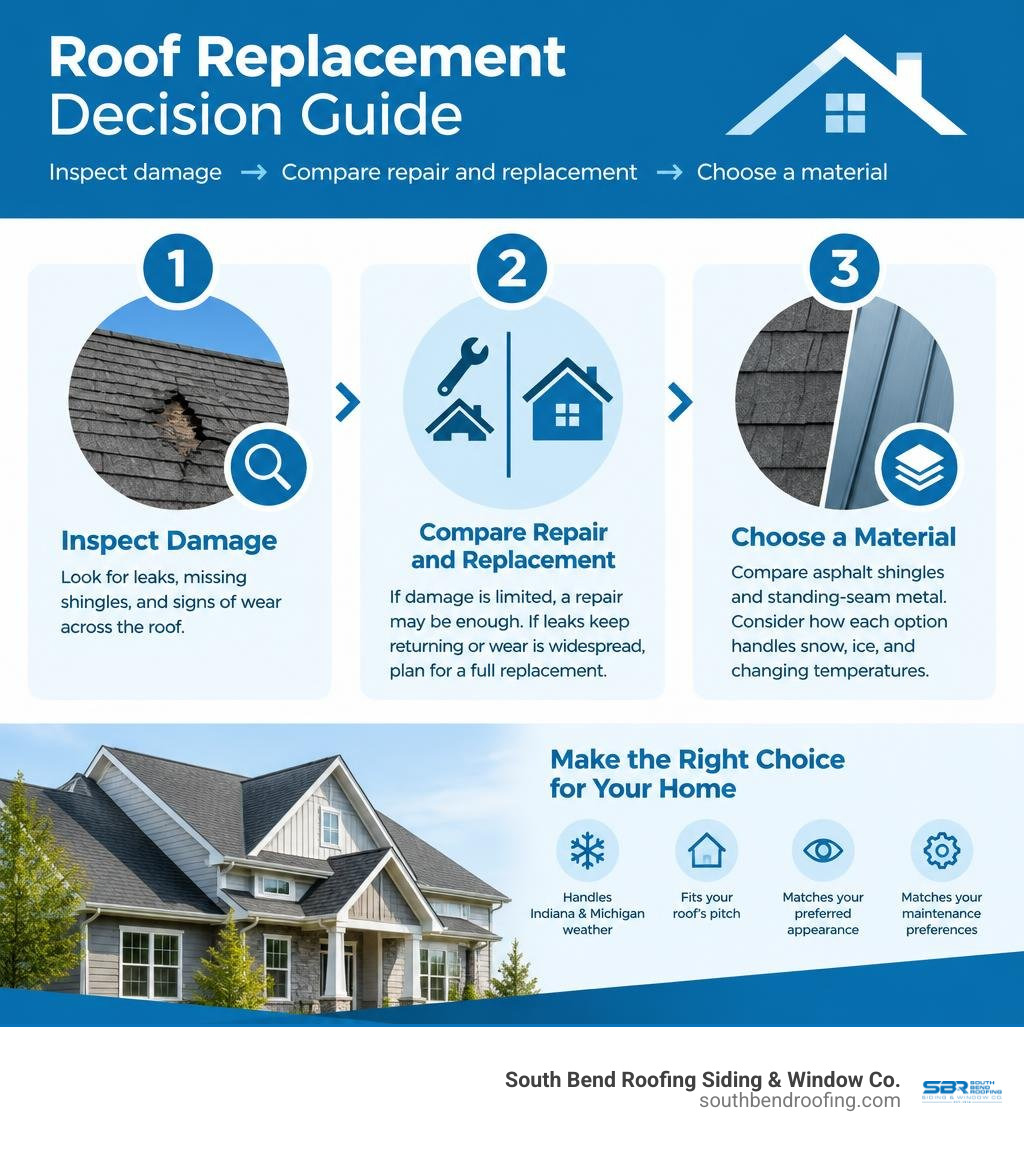
The best roof replacement starts with an inspection, not a material choice. If damage is limited to one area, a repair may be enough. If leaks keep returning or wear is widespread, compare a full replacement using asphalt shingles or standing-seam metal. For homes in Indiana and Michigan, ask how each option handles snow, ice, and changing temperatures. Get a written scope that covers the roof deck, materials, and warranty coverage before you decide.
I’m James Spillman, Vice President at South Bend Roofing Siding & Window Co. From our team’s local roofing experience since 1914, I’ll help you weigh the signs, materials, and contractor details that lead to the best roof replacement for your home.
How to choose the best roof replacement for your home
Start with the roof’s condition, your home’s structure, and the weather it faces. In Indiana and Michigan, a roof needs to manage rain, snow, ice, and freeze-thaw cycles. Your choice should also fit the roof’s pitch, your preferred appearance, and the amount of maintenance you’re prepared to do.
Does the best roof replacement require replacing the entire roof?
Not always. If a roof is generally sound and damage is limited to a small area, a targeted repair may restore its function and extend its useful life. A professional can check whether the surrounding materials are in good condition and whether the source of the problem can be fixed without replacing the whole roof.
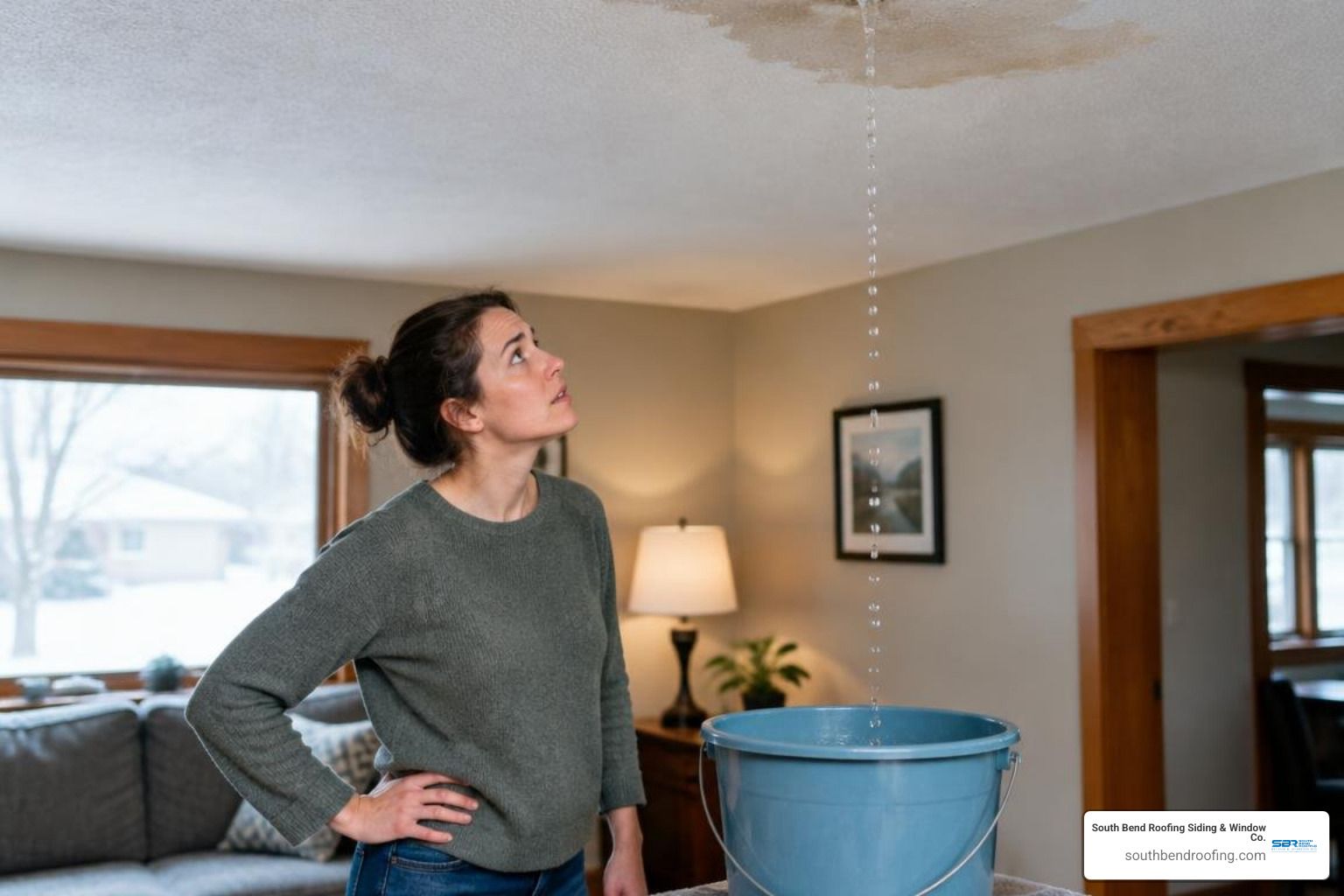
A full replacement is more likely to make sense when leaks keep returning, shingles show widespread wear, or the roof has reached the end of its service life. Damage to the deck beneath the roofing may also affect the decision. The deck needs to provide a stable base for the new materials; repairs to it may be needed once the old roof is removed.
We recommend basing the decision on an inspection rather than roof age or a single visible symptom. Our team can assess repair options and explain when a larger project may be appropriate. Learn about residential roof repair and roof replacement and tear-offs.
How to choose the best roof replacement material for your climate
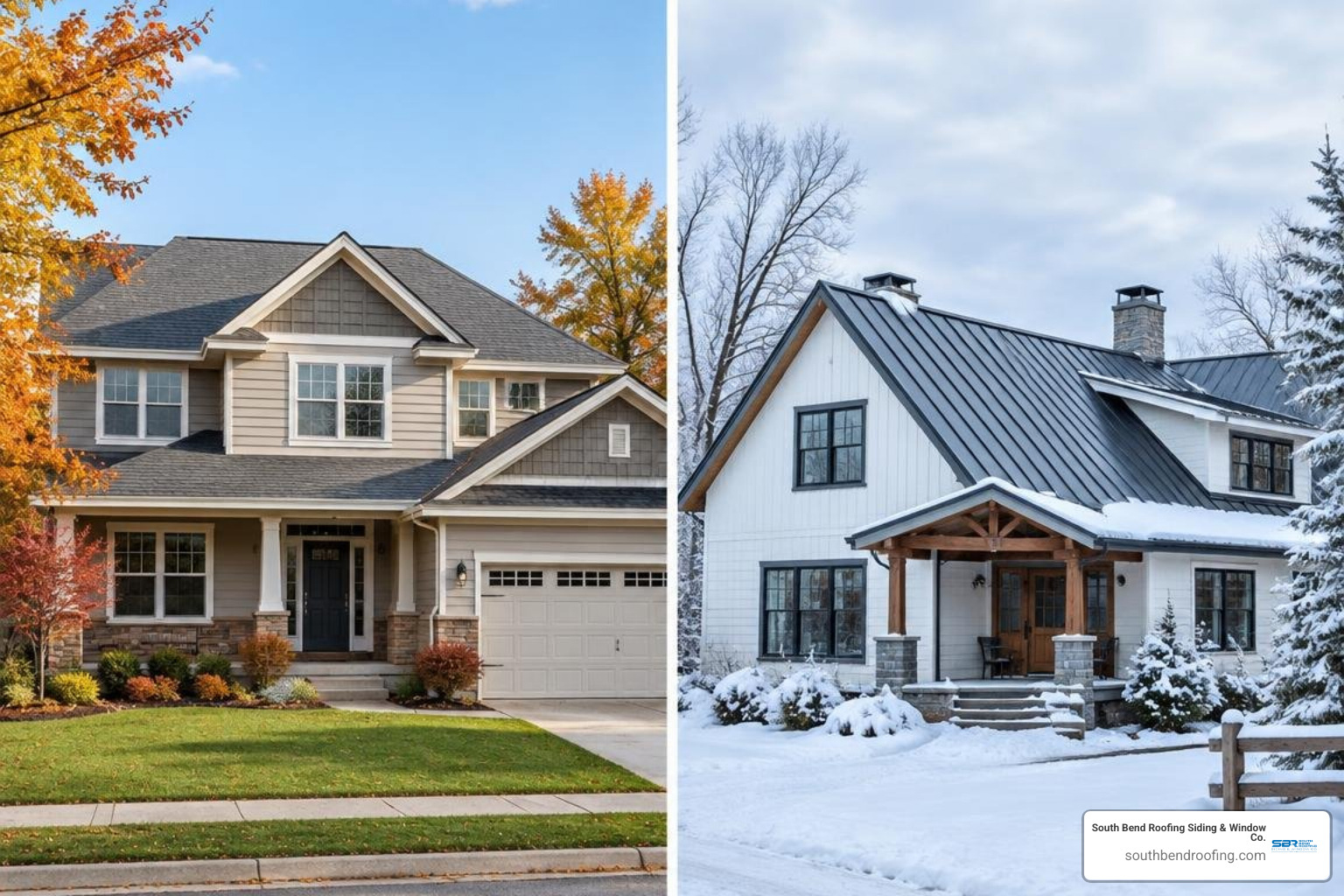
Asphalt shingles and standing-seam metal are two options for residential roofs. Both need proper installation, but they differ in appearance, weight, upkeep, and relative longevity. Consider how the material performs under local conditions, including snow and ice, as well as whether your home can support its weight.
| Material | Relative cost | Relative longevity | Durability and climate considerations |
|---|---|---|---|
| Asphalt shingles | Lower upfront cost | Moderate | A widely used option with a range of styles. Choose products suited to local weather and have the roof deck and ventilation assessed. |
| Standing-seam metal | Higher upfront cost | Long | Durable panels can shed snow, but the roof assembly and installation must suit the building and local conditions. |
| Commercial membrane systems | Varies by system and project | Depends on system and maintenance | PVC, TPO, and EPDM are options for commercial roofs. Selection depends on the building and roof requirements. |
In cold-weather regions, ask how the full roof system will handle water, ice, and seasonal temperature changes. Underlayment, flashing, roof slope, and attic ventilation all influence performance; the visible roof covering is only one part of the system. If you are considering a heavier material, have a qualified professional confirm that the structure can support it.
For a broader overview of roofing materials and buying considerations, see the Consumer Reports roofing buying guide.
When is re-roofing an option?
Re-roofing means installing new roofing over existing material. It may be possible when the existing roof has an eligible number of layers, the deck is sound, and local code and manufacturer instructions allow it. The added weight also needs to be considered.
An overlay does not let a contractor inspect the entire deck in the same way a tear-off does. If there is hidden damage, moisture, or an unsuitable existing layer, covering it can leave problems in place. Ask the contractor to explain why re-roofing is appropriate for your home and what it means for inspection and warranty coverage. See our re-roofing options.
Compare roof replacement costs, quotes, and project scope
Roof replacement estimates vary with the roof’s size, pitch, shape, and material. Multiple valleys, dormers, or difficult access can add labor and installation complexity. Tear-off and disposal, deck repairs, underlayment, flashing, ventilation work, permits, and local labor also affect the project scope.
Rather than comparing only the total, check that each written estimate describes the same work and materials. Ask how hidden deck damage will be handled and whether the estimate includes a clear process for approving additional work. A written scope helps you compare offers and understand what you are agreeing to. For more on planning and reviewing estimates, visit RoofingCompare’s homeowner research.
| Estimate item | What to check | Question to ask |
|---|---|---|
| Tear-off and disposal | Which existing layers will be removed, and how debris will be handled | Does the scope include removal down to the deck? |
| Deck inspection and repairs | How damaged or soft areas will be identified and priced | How will you get approval before additional repairs? |
| Materials and underlayment | Product names, quantities, and installation requirements | Are these materials listed in the written scope? |
| Flashing and ventilation | Which areas or components will be addressed | What is being replaced, repaired, or retained? |
| Permits and inspections | Who checks local requirements and coordinates inspections | Are permit responsibilities stated in the contract? |
| Cleanup and final review | Debris removal and job closeout | What does cleanup include, and what documents will I receive? |
Vet the contractor, understand warranties, and plan the project
How to verify a roofing contractor
Check that a contractor has the credentials required for the location and type of work. Requirements can differ between municipalities and states, so verify them with the relevant local or state office. Ask for current proof of liability insurance and workers’ compensation coverage, and confirm the documents with the insurer if you have questions.
Then review recent local projects, references, and independent customer feedback. You can also check local permit records where available. Ask who will supervise the job, who will be on site, and who is responsible for communicating changes. A written contract should identify the work, materials, payment schedule, cleanup plan, and warranty coverage.
Our team has served the region for more than 110 years and has been roofing since 1914. We provide residential roofing services, including roof replacement and tear-offs, repairs, re-roofing, new construction roofing, free roof inspections, and written estimates. Our residential options include certified installation of CertainTeed asphalt shingles and standing-seam metal roofing. Explore our project gallery to see examples of completed work.
For commercial properties, our services include full and partial roof replacement, repairs, scheduled maintenance programs, and PVC roofing as a Duro-Last contractor, along with TPO and EPDM systems. We schedule commercial work around business operations to help limit disruption. Our commercial service area includes Indiana and Michigan, from South Bend and Northwest Indiana to Indianapolis, Fort Wayne, Lafayette, Kalamazoo, Benton Harbor, Niles, New Buffalo, and Three Rivers.
How to compare bids and spot red flags
Compare bids line by line. Confirm that they describe the same material, tear-off approach, deck inspection, underlayment, flashing, and cleanup. If one quote is much lower, ask what is excluded or different; the lowest total may leave out important work or rely on unclear allowances.
Be cautious if a contractor pressures you to sign immediately, requests a large payment before work begins without a clear basis, or cannot provide proof of insurance. Other warning signs include vague material descriptions, unclear responsibility for permits, no written change-order process, or no explanation of how the site will be protected and cleaned.
Ask for any verbal promises to be included in the contract. Before signing, make sure you understand the payment schedule, how unexpected deck repairs will be approved, and who to contact with questions during the project.
What manufacturer and workmanship warranties cover
A manufacturer warranty generally addresses specified defects in the roofing materials, subject to its conditions and exclusions. A workmanship warranty addresses installation-related work covered by the contractor’s written terms. These are separate forms of protection, and neither should be assumed to cover every leak, storm, or maintenance issue.
Read the documents for exclusions, maintenance requirements, transferability, and steps for making a claim. Confirm which products are included and whether the coverage depends on using a specific system or installation method. Ask for the warranty documents in writing before work begins. We provide manufacturer warranty coverage along with our own Workmanship Warranty, and our team will explain the details.
What to expect before and during replacement
Before work starts, confirm permit requirements, access arrangements, and the project scope with your contractor. Move vehicles away from the work area, secure outdoor items, and protect fragile belongings in the attic or rooms below the roof. Ask how nearby plants and property will be protected.
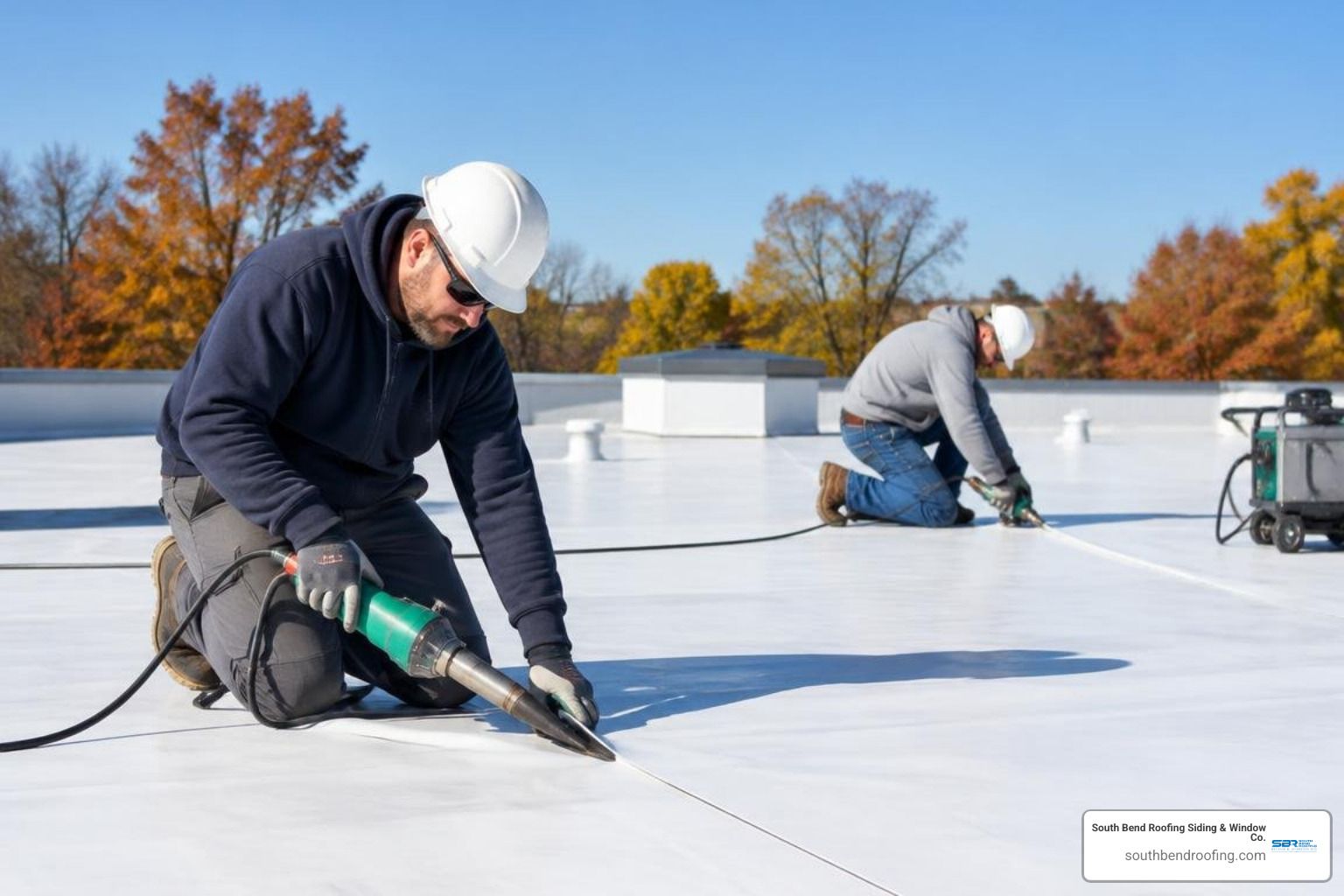
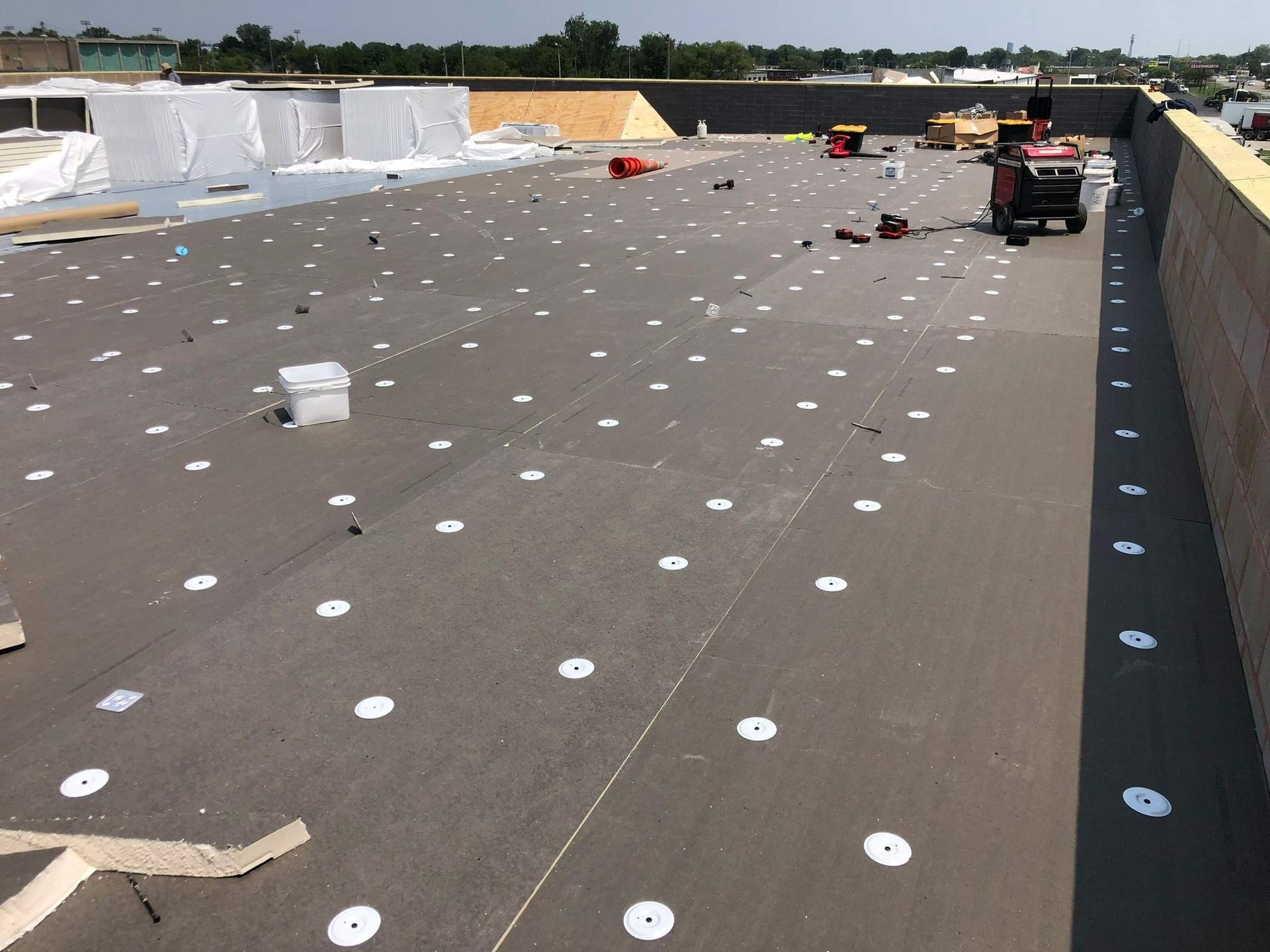
During a tear-off, the existing roofing is removed down to the deck. The crew can then inspect the deck and identify areas that need repair before installing the new system. The contractor should explain any additional work and obtain your approval before proceeding. Installation follows, with attention to underlayment, flashing, ventilation, and the chosen roofing material.
Weather, roof complexity, material availability, and the amount of deck repair can affect the project duration. Ask how the crew will protect exposed areas if weather interrupts the work. Once installation is complete, the contractor should clean the site and review the finished work with you. Our residential roofing services include replacement and tear-offs, with the old roofing removed and the deck inspected and repaired as needed.
What to check after storm damage
After a storm, avoid climbing onto the roof. A qualified professional can inspect visible damage and look for issues that may not be apparent from the ground. Ask for photos and a written assessment to document the roof’s condition.
If you contact your insurer, keep the inspection notes and photos and ask what documentation is needed. Insurance coverage depends on your policy and the cause of the damage; normal wear and maintenance issues may be treated differently from covered storm damage. Our insurance roof inspection service can help document roof conditions.
Frequently Asked Questions About Roof Replacement
Can a roof be replaced during cold or snowy weather?
Sometimes, but weather conditions and the roofing material’s installation requirements matter. Snow, ice, strong winds, or temperatures outside the product’s recommended range can make work unsafe or affect installation. A contractor should assess conditions, schedule work safely, and explain how the roof will be protected if weather changes.
What should I know about paying for a roof replacement?
Start with a written estimate that explains the scope, materials, exclusions, and payment schedule. Ask how additional work will be documented and approved. If storm damage may be covered by insurance, confirm your policy requirements directly with your insurer. Discuss any available payment arrangements directly with the contractor before signing.
How can I confirm the roof replacement was completed properly?
Review the completed work with the contractor and ask for permit and inspection records when applicable, along with workmanship documentation and manufacturer warranty paperwork. Confirm that the materials match the written scope and that debris has been removed. Keep the contract, project photos, approvals for any changes, and warranty documents together for future reference.
Conclusion
Choosing a roof replacement begins with an honest assessment: a localized problem may call for a repair, while widespread wear or recurring leaks may point to a larger project. We provide residential roof replacement, repairs, re-roofing, and new construction roofing, with free roof inspections and written estimates. Our residential service area includes South Bend, Mishawaka, Elkhart, La Porte, and Goshen, Indiana, and Niles, Michigan.
With more than 110 years of local experience and roofing work dating to 1914, we can help you compare materials, understand the project scope, and review warranty coverage. Visit our residential roofing page or request a roof evaluation to get started. Call us at (574) 288-4764 for a free roof inspection and written estimate.