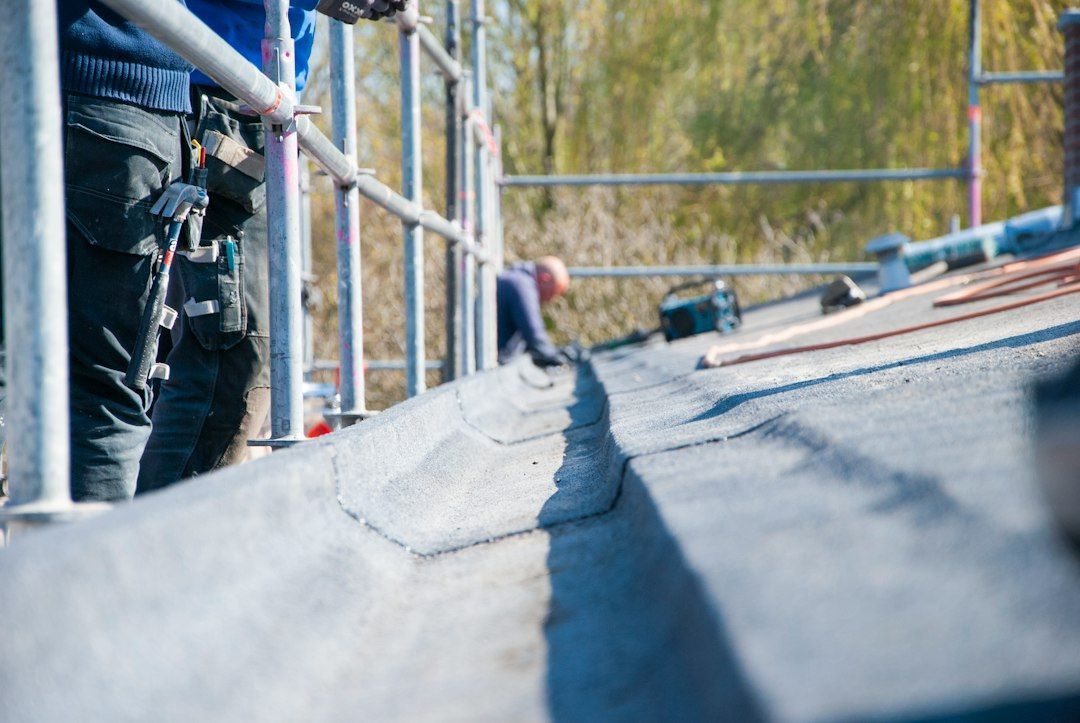
How to Get Reliable Roof Repair Answers Fast
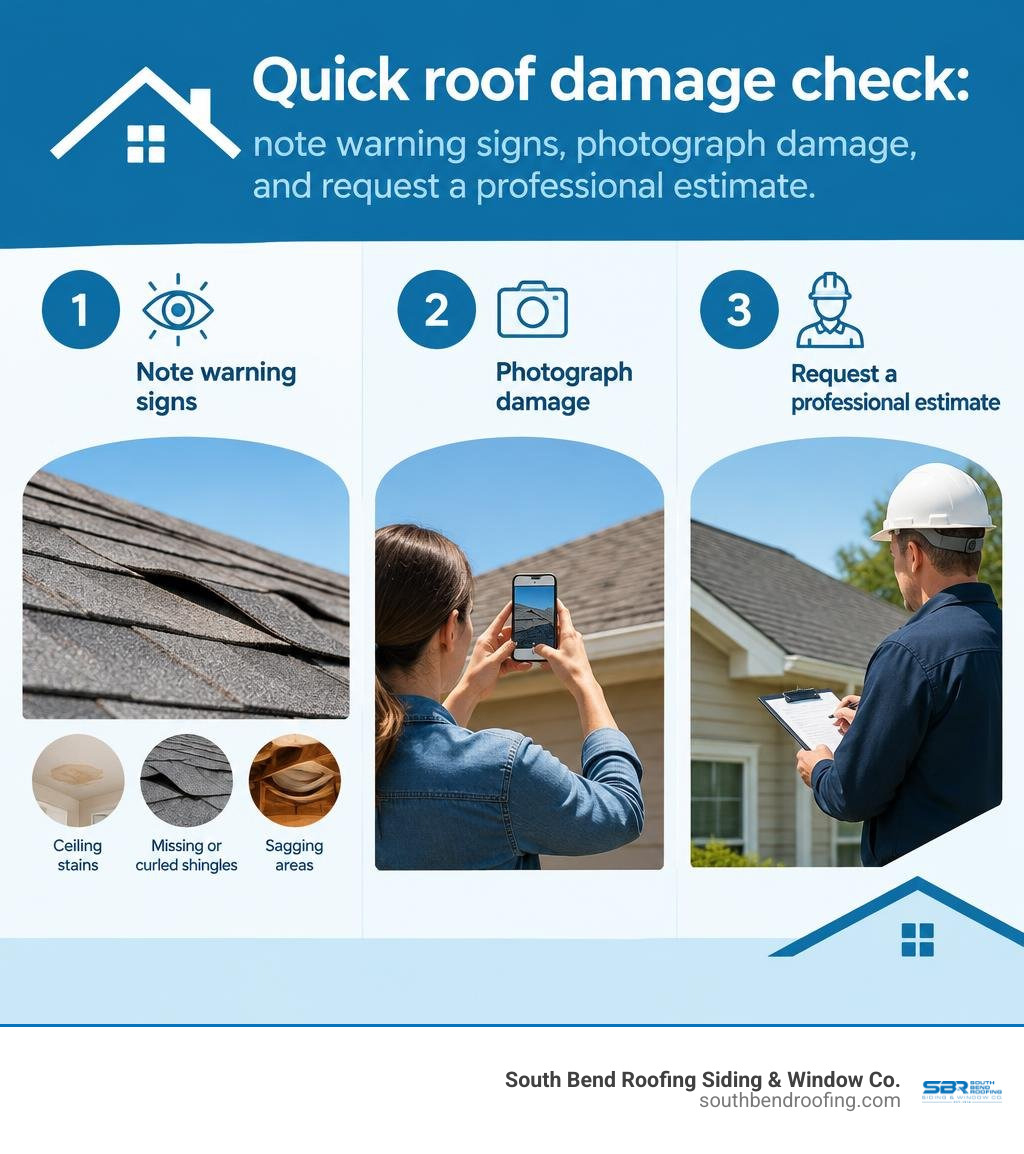
Need roof repair advice quickly? Start with a safe check from the ground and inside your attic. Note any ceiling stains, missing or curled shingles, or sagging areas, and take photos. Then ask a roofing professional to inspect the damage and give you a written estimate. An isolated problem may need a repair; widespread damage or a failing roof may call for replacement. Stay off a wet or damaged roof.
South Bend Roofing Siding & Window Co. has provided residential and commercial roofing since 1914, with 110+ years of experience. This guide explains how to find trustworthy roof repair information and what to ask next.
Identifying Common Roof Damage and Leak Sources
When water breaches your home’s primary defense, it rarely takes a direct path downward. Moisture can travel along rafters, pool on top of ceiling drywall, and suddenly drip into a room far away from the initial puncture. Understanding how water penetrates your building envelope is essential to diagnosing problems before interior structural rot takes hold.
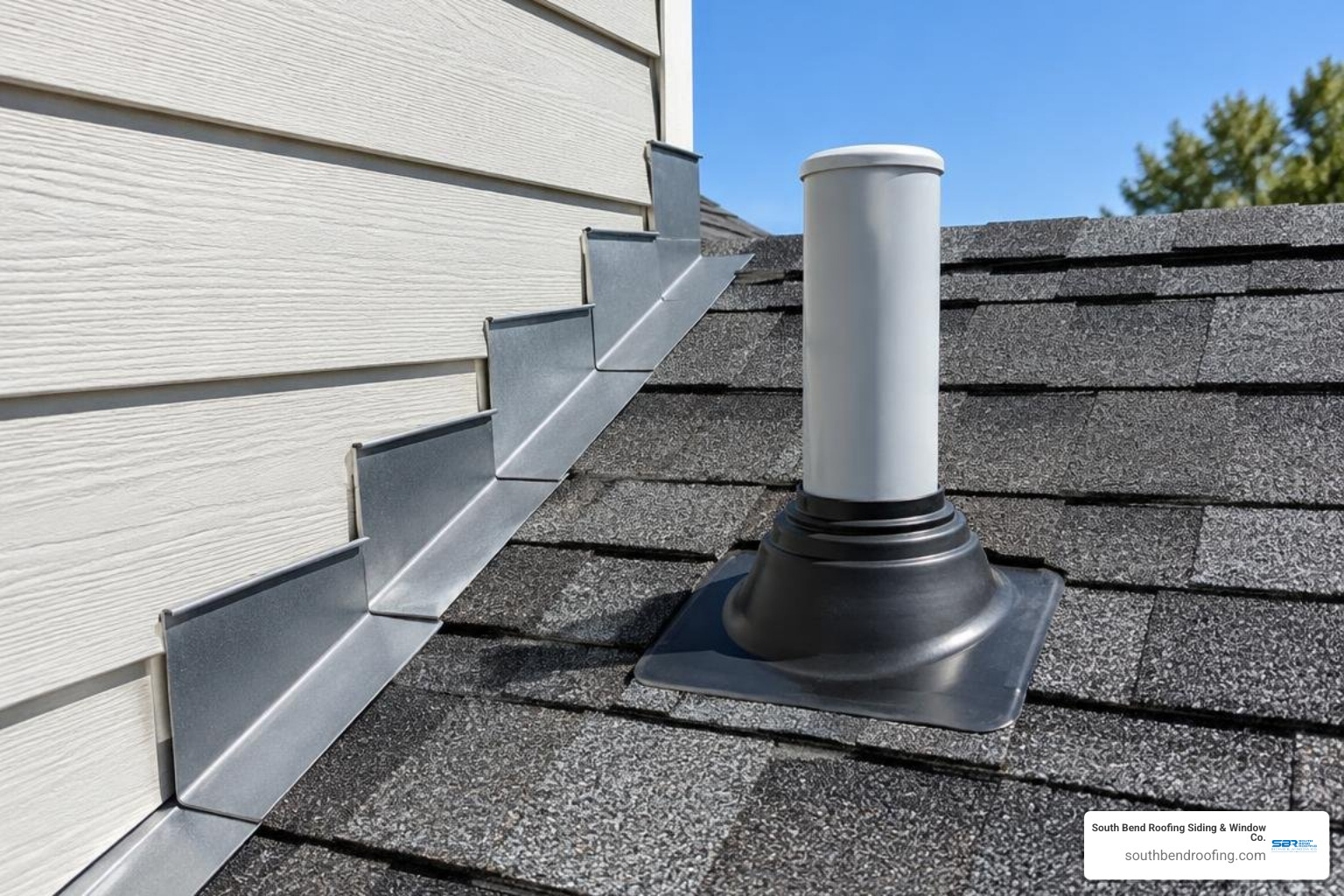
Most leaks originate where your roofing materials meet an obstruction or change angles. Attic moisture can sometimes masquerade as an exterior leak, especially when inadequate ventilation causes condensation to accumulate on roof sheathing. However, external water penetration typically points directly to failed flashings, cracked pipe boots, or degraded sealants around roof penetrations.
Early Warning Signs of Roof Deterioration
Catching deterioration early helps you avoid compounding structural expenses. You do not need to climb onto a ladder to spot several classic warning signs:
- Curling or Buckling Shingle Tabs: As shingles age, the essential volatile oils within the asphalt dry out. Sunlight causes the edges to turn upward (curling) or middle sections to cup, leaving the underlying underlayment exposed to driving rain.
- Granule Loss: Some granular shedding is normal on brand-new roofs, but heavy granule loss can reduce the shingles’ protection from sunlight. Once the asphalt layer loses its protective mineral granules, sunlight breaks down the core rapidly.
- Ceiling Discoloration and Water Rings: Yellow, brown, or ring-shaped stains on your drywall can signal a roof leak or another moisture problem that needs investigation.
- Sagging Roof Decking: If your roof line appears dip-like or uneven, it may signal a structural problem and warrants prompt professional assessment.
- Damaged or Lifted Flashing: Metal flashings installed around chimneys, dormers, and vent stacks expand and contract during seasonal temperature swings. Over time, fasteners loosen and caulking cracks.
Pinpointing Hidden Roof Leaks and Vulnerabilities
Locating the exact point of entry requires a systematic approach. If visual inspection in your attic reveals damp wood or black mold patches near roof penetrations, trace the rafter upward toward the peak.
For hard-to-find leaks on dry days, you can isolate the trouble spot using a methodical garden hose test. With one person stationed inside the attic with a strong flashlight, a second person outside runs water on low pressure over isolated sections of the roof, starting at the lowest point (the eaves) and gradually moving upward toward dormer seams, valley intersections, and chimney flashing. Briefly soak each zone before moving upward.
For commercial roof leaks, our commercial roofing services include full roof replacement, partial roof replacement, commercial roof repairs for leaks, punctures, open seams, flashing and storm damage, roof maintenance programs with scheduled inspections and minor repairs, PVC roofing as a Duro-Last contractor, TPO roofing, and EPDM roofing. South Bend Roofing serves commercial customers across Indiana and Michigan, including Indianapolis, Fort Wayne, Lafayette, South Bend/Elkhart, Northwest Indiana (Gary, Hammond, Merrillville), Kalamazoo, Benton Harbor, Niles, New Buffalo, and Three Rivers, with work scheduled around business operations to keep disruption to a minimum.
Evaluating Roof Repair vs. Full Replacement
Homeowners frequently ask whether a targeted fix will suffice or if a full tear-off is unavoidable. The decision hinges primarily on three variables: the age and condition of your roofing system, the percentage of surface area affected, and whether the underlying decking has sustained structural damage.
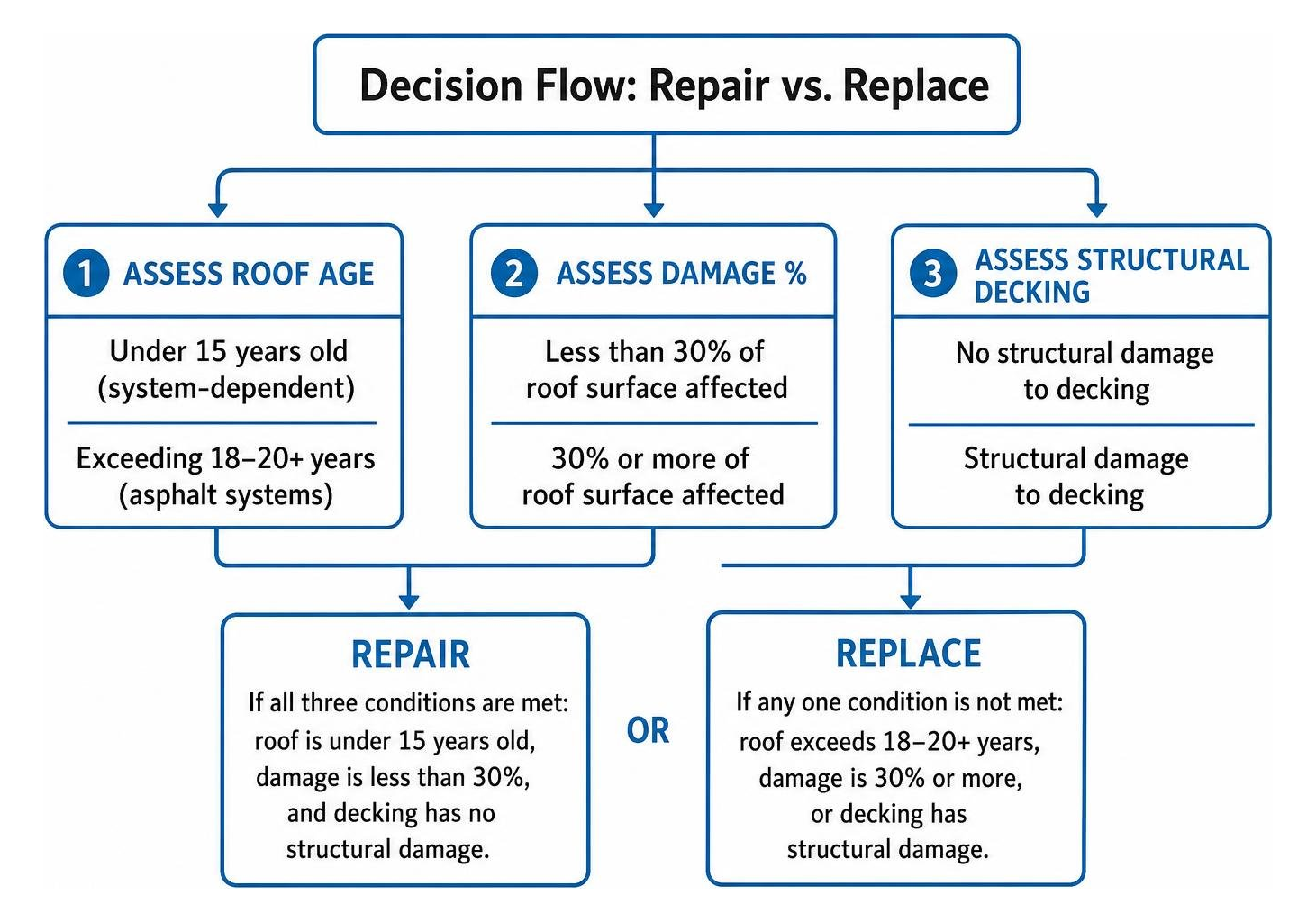
When damage is localized and the rest of the roof remains sound, a targeted roof repair may be a cost-effective option. An inspection can help determine whether repair or replacement is appropriate.
| Evaluation Criteria | Targeted Roof Repair | Full Roof Replacement |
|---|---|---|
| Roof Age and Condition | Newer or mid-service roof with compatible surrounding materials | Roof is near the end of its expected service life or has broad wear |
| Damage Extent | Localized damage with surrounding materials in good condition | Widespread damage across multiple slopes |
| Decking Condition | Solid, dry, and structurally sound | Spongy, rotted, or sagging sheathing |
| Shingle Condition | Flexible tabs with intact granule coverage | Brittle, widespread cracking or missing granules |
| Past Repair History | First or second isolated incident | Recurring leaks across different sections |
When to Choose Targeted Roof Repair Over Replacement
A targeted repair can be appropriate when the root cause is external and localized. Strong wind gusts might lift a few shingles along a ridge, or a fallen tree branch might puncture a small section of decking. Depending on the damage, repairs may include replacing damaged decking, underlayment, shingles, or flashing to restore weather resistance without a full replacement.
Opting for repair is also appropriate when dealing with isolated component failures, such as a dried-out neoprene collar on a plumbing vent boot or failed step flashing along an adjoining wall. Addressing these localized issues quickly protects your investment and can help extend your roof’s useful life.
Material Durability Considerations
Different roofing materials exhibit different durability profiles and lifecycle costs. Actual performance depends on installation quality, weather exposure, maintenance, ventilation, and manufacturer specifications, so an inspection is the best way to evaluate whether your system is nearing retirement.
| Roofing Material | General Durability Profile |
|---|---|
| Roll Roofing | Shorter-service material often used for limited applications |
| Asphalt 3-Tab Shingles | Traditional asphalt option with a shorter profile than architectural shingles |
| Architectural Asphalt | Common residential option with stronger wind and wear performance than 3-tab shingles |
| Synthetic Slate Tiles | Premium option designed to mimic slate with lower weight |
| Standing Seam Metal | Durable residential roofing option when properly specified and installed |
| Concrete Tile | Heavy, long-service tile option that requires appropriate structural support |
| Clay Tile | Premium tile option with strong weather resistance in suitable applications |
| Natural Slate Shingles | High-end natural stone option requiring specialized installation and structure review |
Understanding Roof Repair Costs and Material Lifespans
Budgeting for roof work starts with understanding the scope. A localized repair can cost less than a full replacement, but material choices, access, and structural damage affect the estimate. Request a written estimate based on an inspection of your roof.
If you are evaluating repair budgets for your home, our team provides comprehensive residential roofing services, including roof repair, roof replacement and tear-offs with old roofing removed down to the deck, decking inspected and repaired as needed, re-roofing, new construction roofing, free roof inspections and written estimates, CertainTeed asphalt shingles with certified installation, standing seam metal roofing, manufacturer warranty coverage, and South Bend Roofing’s own Workmanship Warranty.
Common Repairs by Severity
- Minor Repairs: Replacing several blown-off shingles, resealing chimney step flashing, securing loose ridge caps, or replacing a cracked rubber plumbing pipe collar.
- Moderate Repairs: Fixing leaks across roof valleys, replacing several water-damaged decking sheets, repairing leaking skylight curbs, or patching localized flat-roof ponding areas.
- Major / Structural Repairs: Rebuilding rotted eaves, repairing collapsed rafter framing after structural storm damage, or remediating extensive underlayment failures across large roof planes.
Key Factors Affecting Total Repair Pricing
Multiple physical variables influence your final quote:
- Roof Pitch and Slope: Steep-slope roofs (steep pitch ratios) require safety harnesses, scaffolding, and slower, more deliberate staging, which increases labor time.
- Material Type and Availability: Sourcing matching discontinued shingle profiles or working with specialized slate, concrete, or metal demands higher material costs and specialized craftsmanship.
- Water Damage Penetration: If water has seeped past the underlayment into the wooden rafter tails, fascia boards, or ceiling drywall, the scope of work expands beyond outer roofing materials.
- Accessibility and Story Height: Multi-story homes with tight lot lines or delicate landscaping require extra care and labor to protect the grounds.
- Local Municipal Building Permits: Depending on local building codes, structural repairs or decking replacements may require permits and municipal inspections.
DIY Diagnostics vs. Hiring a Professional Roofer
While diagnosing a problem from the attic or ground is a great first step, climbing onto a roof carries inherent safety risks. Falls from roofs account for a significant portion of home maintenance injuries. Furthermore, improper DIY techniques—such as walking across fragile valley tiles, misplacing roofing nails, or using incompatible silicone sealants—frequently turn a simple fix into a much larger problem.
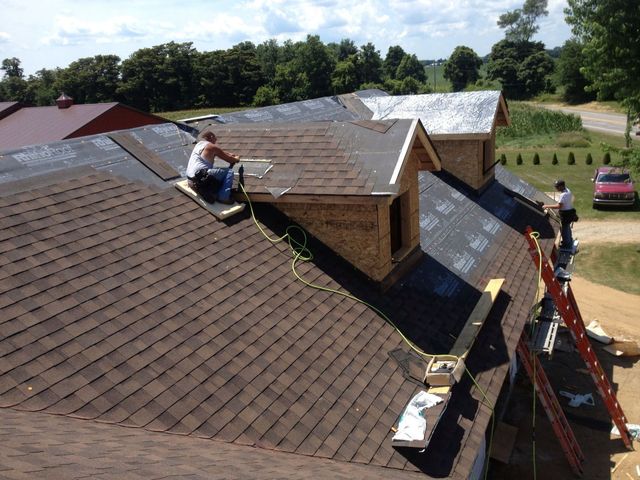
Safe DIY Inspection and Minor Leak Fixes
For confident homeowners facing minor shingle defects, temporary or small-scale fixes can prevent water intrusion while awaiting a permanent solution. The practical guide on How to Repair an Asphalt Shingle Roof outlines essential safety considerations and baseline methods for securing loose tabs.
If you are dealing with a torn or curled asphalt shingle on a low-slope, easily accessible section:
- Work on Warm, Sunny Days: Asphalt shingles become brittle in cold weather and crack easily when lifted. Warm weather allows the shingle to bend without snapping.
- Flatten Curled Edges: Gently lift the curled corner with a putty knife, apply a dab of exterior-grade roofing cement beneath the tab, and press firmly.
- Perform Emergency Sheet Metal Patching: In an emergency leak situation, you can slide a 12-by-12-inch square of galvanized sheet metal directly beneath the damaged shingle, over the nail line, bedding it in roofing cement to divert water away until permanent shingle replacement occurs.
What to Expect During a Professional Roof Repair Process
When you partner with a certified contractor, the repair process follows a structured, quality-controlled sequence designed to protect your home and help preserve warranty coverage:
- Thorough Structural Inspection: A qualified technician inspects the roof surface, flashing lines, valleys, ventilation baffles and underlying decking, taking high-resolution photos of all problem areas.
- Detailed Written Estimate: You receive an itemized proposal detailing material choices, scope of work, warranty coverage, and repair pricing based on the inspection. The team will explain the warranty coverage details.
- Site Preparation and Property Protection: Before work starts, the crew places heavy tarps over your foundation plants, siding, decks, and landscaping to catch falling debris.
- Tear-Off and Deck Inspection: Damaged materials are carefully removed down to the solid wooden deck to verify that no hidden fungal rot or structural weakness exists.
- Precision Installation: New ice-and-water barrier underlayment, color-matched shingles or membrane layers, and hand-bent flashings are secured with corrosion-resistant fasteners.
- Site Cleanup and Magnetic Sweep: The crew sweeps the property with high-strength magnetic rollers to collect all stray roofing nails, removes debris, and reviews warranty coverage information.
If you are noticing early signs of roof failure or have experienced recent storm damage, contacting a certified professional is a practical next step toward an assessment and a repair plan that follows applicable building standards.
Frequently Asked Questions About Roof Repair
Does homeowners insurance cover roof repair?
Homeowners insurance policies generally cover roof repairs caused by sudden, accidental perils—such as severe wind events, hail impact, fallen tree branches, or weight of snow and ice. However, insurance carriers typically exclude coverage for gradual wear and tear, lack of maintenance, or damage stemming from an aged roof that has exceeded its usable service life. Always document storm events promptly with photos and review your specific policy deductible before filing a claim.
How often should a residential roof be inspected?
We recommend scheduling a professional roof inspection periodically, with more frequent checks for older roofing systems or roofs that have experienced severe weather. Additionally, you should conduct a visual ground-level inspection after every major windstorm, hail event, or severe winter freeze to detect displaced materials before moisture penetrates your interior living spaces.
What are the most common causes of roof leaks around flashings?
Flashing failures typically stem from three issues: thermal expansion and contraction, which loosens underlying mechanical fasteners over time; drying or cracking of petroleum-based caulks and sealants exposed to intense UV rays; and improper original installation (such as neglecting step-flashing integration along vertical siding walls). When the metal lifts even a few millimeters, wind-driven rain easily flows behind the barrier.
Conclusion
Your roof is your home's primary line of defense against the elements. Ignoring early warning signs—such as a curled shingle, minor ceiling discoloration, or deteriorating chimney flashing—can allow a manageable problem to develop into an extensive structural remediation project. By taking safe diagnostic steps, understanding material condition, and securing clear, written estimates, you can make a useful start quickly and make informed repair decisions once the inspection and estimate are available.
For residential roofing in South Bend, Mishawaka, Elkhart, La Porte and Goshen, Indiana, and Niles, Michigan, reach out to the team at South Bend Roofing Siding & Window Co. to learn about our residential roofing services. For business properties across Indiana and Michigan, our commercial roofing services include repair, replacement, maintenance, and low-slope roofing systems. Call (574) 288-4764 for a free roof inspection and estimate.